The Significance of ERP for SMEs
In an increasingly competitive business landscape, staying ahead of the game is essential for the survival and success of both small and medium-sized enterprises (SMEs). To effectively navigate challenges and seize opportunities, SMEs need efficient and robust management systems. This is where Enterprise Resource Planning, or ERP, comes into play. ERP for SMEs is a game-changer, enabling businesses to streamline operations, optimize resource allocation, and drive growth.
What is ERP for SMEs?
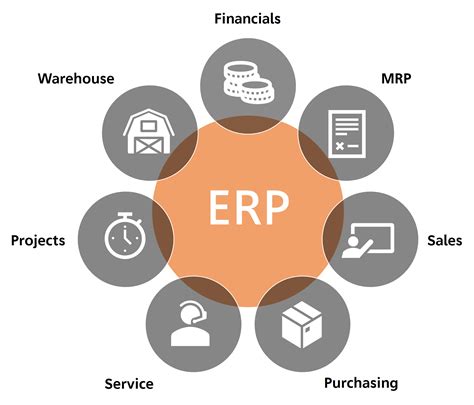
ERP for SMEs refers to the adoption and implementation of an integrated software system that enables organizations to manage their core business functions effectively. This includes inventory management, manufacturing, sales, accounting, human resources, customer relationship management (CRM), and more. By centralizing data and automating processes, ERP empowers SMEs to make data-driven decisions, improve efficiency, reduce costs, and enhance customer satisfaction.
Benefits of ERP for SMEs
Implementing an ERP system can bring a multitude of benefits to SMEs, revolutionizing their operations and positioning them for sustainable growth. Some of the notable advantages include:
1. Streamlined Operations
An ERP system integrates various business functions, providing a centralized platform for real-time collaboration and information sharing. This eliminates data silos and enables seamless communication between different departments, improving overall coordination and efficiency.
2. Improved Efficiency
With automation and standardized processes, ERP eliminates repetitive manual tasks and reduces the risk of human error. This boosts productivity, allowing employees to focus on value-added activities and strategic initiatives.
3. Enhanced Decision-Making
ERP software generates accurate and comprehensive data analytics, empowering SMEs to make informed decisions based on real-time information. This data-driven approach helps identify trends, forecast demand, and optimize resource allocation for improved agility and competitiveness.
4. Cost Savings
By optimizing processes and reducing inefficiencies, ERP systems can help SMEs reduce costs significantly. From inventory management to procurement and supply chain optimization, businesses can achieve cost savings through increased visibility and better resource utilization.
5. Scalability and Flexibility
ERP systems are designed to support growth and adapt to changing business needs. As SMEs expand, the scalable nature of ERP ensures that the software can accommodate increased data volumes, transactions, and users without compromising system performance or functionality.
6. Enhanced Customer Satisfaction
With a unified view of customer interactions, ERP enables SMEs to provide personalized and prompt service. This leads to higher customer satisfaction, improved retention rates, and increased referrals, ultimately driving business growth.
7. Regulatory Compliance
For many SMEs, complying with regulatory requirements can be a challenging task. ERP systems provide built-in compliance features, ensuring adherence to industry-specific regulations and reducing the risk of penalties or legal issues.
Implementing ERP for SMEs: Key Considerations
While the benefits of ERP for SMEs are evident, successful implementation requires careful planning and execution. Here are some key considerations to take into account:
1. Needs Assessment
Before embarking on an ERP implementation journey, SMEs need to conduct a thorough assessment of their current processes, pain points, and growth objectives. This analysis will serve as the foundation for selecting the most suitable ERP system and customization options.
2. Choosing the Right ERP Solution
The ERP market offers a vast range of solutions tailored to the unique needs of SMEs. It’s crucial to evaluate different options, considering factors such as scalability, ease of use, industry-specific functionalities, and integration capabilities.
3. Customization and Integration
ERP systems should be customizable to match SMEs’ specific requirements, ensuring seamless integration with existing systems and applications. This customization ensures that businesses can leverage ERP software without disrupting their current operations.
4. Data Security and Privacy
As data becomes increasingly valuable and vulnerable to breaches, stringent security measures are essential. SMEs must prioritize data security and ensure that their chosen ERP solution offers comprehensive data encryption, access controls, and backup and recovery options.
5. User Training and Change Management
Successful ERP implementation goes beyond the technical aspect; it requires effective change management. SMEs should invest in comprehensive user training programs to ensure employees are equipped with the knowledge and skills to maximize ERP functionalities.
6. Ongoing Support and Maintenance
ERP implementation is a long-term commitment, and ongoing support is crucial for SMEs. Partnering with a reliable ERP vendor that offers continuous support, regular updates, and maintenance services ensures that the system remains optimal and aligned with evolving business needs.
FAQs about ERP for SMEs
1. Can SMEs benefit from ERP systems?
Absolutely! ERP systems are designed to streamline operations, improve efficiency, and foster growth, making them an invaluable tool for SMEs looking to achieve long-term success.
2. How much does ERP implementation cost for SMEs?
ERP implementation costs vary depending on factors such as the size of the SME, chosen ERP solution, customization requirements, and integration complexity. However, many ERP vendors offer flexible pricing models, making it accessible for SMEs with different budgets.
3. Is it challenging to transition to an ERP system?
While ERP implementation can present challenges, proper planning, change management, and user training can mitigate potential disruptions. Partnering with an experienced ERP vendor is crucial to ensure a smooth transition and maximize the benefits of the system.
Conclusion
Small and medium-sized enterprises face unique challenges in a rapidly evolving business landscape. To thrive in this competitive environment, SMEs can leverage the power of ERP systems. With their ability to streamline operations, enhance efficiency, and drive growth, ERP for SMEs is a game-changer. By investing in the right ERP solution and following best practices for implementation and maintenance, SMEs can unlock their full potential, achieve sustainable success, and stay ahead in the market.