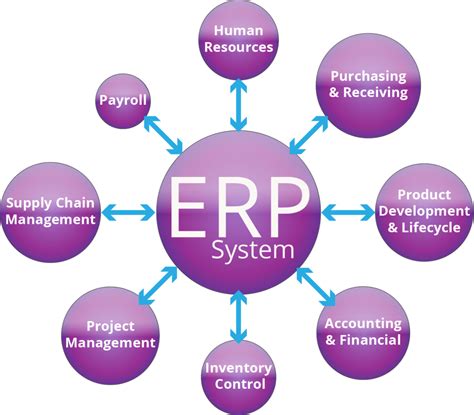
ERP management software, also known as Enterprise Resource Planning software, is a powerful tool that assists organizations in integrating various departments and operations into a single comprehensive system. It provides businesses with real-time visibility, empowers decision-making processes, and optimizes workflow efficiency.
How Does ERP Management Software Work?
ERP management software works by consolidating all essential business functions and processes, such as finance, human resources, inventory management, and customer relationship management, into a centralized system. This enables data sharing and collaboration among different departments, leading to increased productivity and streamlined operations.
The Advantages of ERP Management Software
1. Improved Efficiency and Productivity
By automating and integrating key business processes, ERP management software reduces manual tasks and eliminates duplicate data entries. This results in enhanced efficiency, increased accuracy, and improved productivity across the organization.
2. Enhanced Data Security
Data security is essential for any organization. ERP management software ensures that sensitive information is protected through robust security measures, including user access controls, encryption, and data backups. This mitigates the risk of data breaches and unauthorized access.
3. Streamlined Communication and Collaboration
ERP management software facilitates seamless communication and collaboration among different departments and teams within an organization. This breaks down silos and enables employees to work together towards common goals, leading to better decision-making and improved cross-functional coordination.
4. Scalability and Flexibility
As businesses grow and evolve, their software requirements may change. ERP management software offers scalability and flexibility, allowing organizations to easily customize and adapt the system to their specific needs. This ensures that the software remains relevant and suitable for long-term business goals.
5. Data Insights for Informed Decision-Making
ERP management software provides organizations with real-time data insights, ranging from financial reports to inventory levels and customer trends. These data-driven insights enable informed decision-making, empowering businesses to identify opportunities, optimize processes, and stay ahead of the competition.
The Key Features of ERP Management Software
1. Financial Management
ERP management software includes robust financial management capabilities, such as accounts payable and receivable, general ledger, budgeting, and financial reporting. This helps organizations manage their finances effectively, track expenses, and achieve financial transparency.
2. Inventory Management
Efficient inventory management is crucial for businesses. ERP management software provides real-time visibility into inventory levels, enables demand forecasting, automates replenishment processes, and optimizes stock control. This ensures that inventory is well-managed, minimizing stockouts and reducing carrying costs.
3. Human Resources Management
ERP management software streamlines essential human resources functions, including employee data management, payroll processing, performance evaluation, and talent acquisition. This simplifies HR processes, improves employee satisfaction, and enhances workforce productivity.
4. Customer Relationship Management
Customer satisfaction and retention are vital for business success. ERP management software provides a comprehensive view of customer interactions, enabling organizations to manage sales leads, track customer orders, and deliver personalized experiences. This helps build strong customer relationships and drives customer loyalty.
5. Supply Chain Management
Efficient supply chain management is essential for organizations to meet customer demands effectively. ERP management software optimizes supply chain processes, from procurement to order fulfillment, by ensuring accurate demand forecasting, minimizing lead times, and enhancing supplier relationships.
The FAQs of ERP Management Software
1. What Are the Key Steps for Implementing ERP Management Software?
Implementing ERP management software involves several key steps:
- Identify business goals and requirements
- Select the appropriate ERP software vendor
- Customize the software to fit specific organizational needs
- Migrate data from existing systems, ensuring accuracy and integrity
- Train employees on how to use the software effectively
- Monitor and evaluate the success of the implementation
2. How Can ERP Management Software Benefit Small Businesses?
ERP management software offers several benefits for small businesses:
- Automation of core business processes, reducing manual labor
- Improved data accuracy and integrity
- Streamlined operations and increased efficiency
- Enhanced visibility into financials, inventory, and customer data
- Better decision-making through real-time data insights
3. How Can ERP Management Software Improve Supply Chain Management?
ERP management software helps improve supply chain management through:
- Enhanced demand forecasting accuracy
- Optimized inventory management and stock control
- Efficient order processing and fulfillment
- Streamlined procurement and supplier relationship management
- Real-time visibility into supply chain performance
Conclusion
ERP management software is an invaluable tool for businesses of all sizes and industries. Its benefits, such as improved efficiency, enhanced data security, and streamlined communication, contribute to overall growth and success. By implementing ERP management software, organizations can achieve better decision-making, optimize processes, and stay ahead in today’s competitive marketplace.