With the rapid advancement of technology, businesses are constantly seeking ways to streamline their operations and improve efficiency. One such solution that has gained immense popularity in recent years is Enterprise Resource Planning (ERP) software. This powerful tool has revolutionized the way businesses manage their operations, allowing them to integrate various processes and departments into a centralized system. In this article, we will explore the benefits, features, and challenges of ERP software solutions and understand why they have become a must-have for businesses in today’s competitive landscape.
1. What is ERP Software?
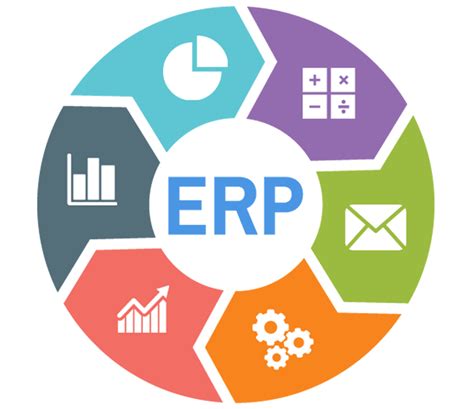
ERP software refers to a suite of integrated applications that enable businesses to automate and manage their core processes and operations. It serves as a central hub for various departments such as finance, human resources, manufacturing, sales, and customer service, facilitating seamless communication and collaboration.
1.1 The Importance of ERP Software Solutions
ERP software solutions play a crucial role in enhancing organizational efficiency and productivity. By consolidating data from different departments into a single database, businesses can streamline processes and eliminate redundant tasks. This leads to reduced manual errors, improved decision-making, and better resource allocation.
2. Key Features of ERP Software Solutions
The functionality of ERP software can vary depending on the specific needs of a business. However, there are several key features that are commonly found in most ERP solutions:
- Integrated Modules: ERP systems typically consist of various modules, such as accounting, inventory management, supply chain, and CRM, which are interconnected and share data in real-time.
- Centralized Database: ERP software stores all relevant data in a central database, eliminating the need for manual data entry and reducing the risk of data duplication or loss.
- Automated Workflows: ERP systems automate repetitive tasks and workflows, ensuring that processes are carried out consistently and efficiently.
- Business Intelligence: ERP software often includes analytics and reporting tools that provide insights into key performance indicators (KPIs) and enable informed decision-making.
- Scalability: ERP solutions are designed to accommodate the growth of a business, allowing for the addition of new modules or users as needed.
3. Benefits of ERP Software Solutions
The implementation of ERP software can bring a multitude of benefits to businesses of all sizes and sectors. Some of the key advantages include:
- Improved Efficiency: By automating processes and eliminating manual tasks, ERP software reduces the time and effort required to complete various operations.
- Better Collaboration: ERP systems enable seamless communication and collaboration between different departments, fostering a culture of teamwork and shared goals.
- Informed Decision-Making: With real-time access to accurate data and analytics, businesses can make informed decisions and respond quickly to market changes.
- Enhanced Customer Service: ERP software enables businesses to provide better customer service by tracking interactions, managing inquiries, and resolving issues promptly.
- Cost Savings: By streamlining processes, reducing errors, and optimizing resource allocation, ERP solutions can result in significant cost savings for businesses in the long run.
4. Challenges of Implementing ERP Software Solutions
While ERP software offers numerous benefits, its implementation can be a complex and challenging process. Some of the common challenges faced by businesses include:
- Cost: The initial investment and ongoing maintenance costs associated with ERP software can be substantial, especially for small and medium-sized businesses.
- Resistance to Change: ERP implementation requires changes in processes and workflows, which can be met with resistance from employees accustomed to traditional methods.
- Data Migration: Transferring existing data to the new ERP system can be a time-consuming and error-prone task, requiring careful planning and execution.
- Training and Support: Employees need to be trained on how to effectively use the new ERP software, and ongoing technical support is essential to address any issues or concerns.
- Customization: Businesses may require customization of the ERP solution to align with their specific workflows and requirements, which can add complexity to the implementation process.
5. FAQs about ERP Software Solutions
5.1 What industries can benefit from ERP software solutions?
ERP software solutions are versatile and can be adapted to meet the needs of various industries. Some of the sectors that can benefit from ERP implementation include manufacturing, retail, healthcare, logistics, and professional services.
5.2 How long does it take to implement an ERP system?
The duration of ERP implementation can vary depending on factors such as the complexity of the business processes, the size of the organization, and the readiness of the employees. On average, the implementation process can take anywhere from several months to a year.
5.3 What are some popular ERP software solutions in the market?
There are several reputable ERP software vendors in the market, offering solutions tailored to different business needs. Some of the popular ERP software solutions include SAP ERP, Oracle ERP Cloud, Microsoft Dynamics 365, and NetSuite.
6. Conclusion
ERP software solutions have revolutionized the way businesses manage their operations and resources. From streamlining processes and improving efficiency to enabling informed decision-making and enhancing customer service, ERP systems offer a multitude of benefits to organizations across industries. Although implementing ERP software can be challenging, the advantages it brings far outweigh the hurdles. As technology continues to evolve, businesses that embrace ERP solutions are poised to stay ahead of the competition and thrive in the digital era.