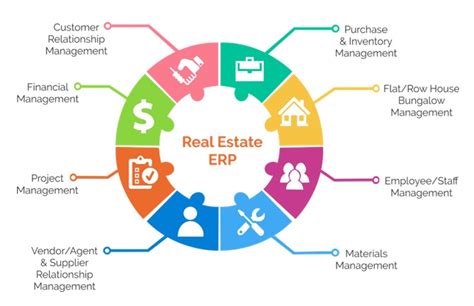
The real estate industry is constantly evolving and becoming more complex. With a myriad of tasks and responsibilities, professionals in this industry face numerous challenges that can hinder growth and success. From managing properties and rentals to handling sales, marketing, and financial operations, the demands are endless. This is where real estate ERP systems come in.
Real estate ERP (Enterprise Resource Planning) is a comprehensive software solution designed specifically for the real estate industry. It integrates different processes, departments, and functions into a single platform, streamlining operations and enabling businesses to make data-driven decisions.
What is Real Estate ERP?
Real estate ERP is a software solution that combines various modules and features to manage all aspects of the real estate business. From property acquisition and construction management to sales, marketing, and financial operations, real estate ERP systems provide a centralized platform for efficient management of the entire business.
With real estate ERP, companies can automate repetitive tasks, streamline workflows, improve communication and collaboration, and gain valuable insights through data analytics. These systems offer numerous benefits, making them an essential tool for any real estate business looking to thrive in a competitive industry.
Benefits of Real Estate ERP Systems
1. Enhanced Efficiency: By automating manual tasks and streamlining workflows, real estate ERP systems drastically improve efficiency. From property management to financial operations, these systems eliminate human error, reduce paperwork, and save time, allowing professionals to focus on more strategic initiatives.
2. Centralized Data Management: With real estate ERP, all data is stored in a centralized database. This eliminates silos of information and enables easy access and sharing of data across different departments. Whether it’s client information, property details, or financial reports, the entire team has real-time access to accurate data.
3. Improved Collaboration: Real estate ERP systems provide a collaborative platform where team members can work together seamlessly. From sharing property documents to tracking sales and marketing campaigns, these systems facilitate effective communication and collaboration, leading to better coordination and productivity.
4. Streamlined Financial Operations: Real estate ERP systems offer robust financial management functionalities, including budgeting, forecasting, and financial reporting. By automating financial processes, businesses can reduce errors, improve accuracy, and ensure compliance with industry regulations.
5. Data-Driven Decision Making: Real estate ERP systems provide powerful analytics and reporting features that enable businesses to extract valuable insights from their data. From property performance analysis to sales forecasting, these systems help make informed decisions and drive business growth.
Features of Real Estate ERP Systems
1. Property Management
Real estate ERP systems offer comprehensive property management capabilities. From tracking property details and tenant information to handling lease agreements and maintenance requests, these systems simplify and automate property management processes. With features like automated reminders and document management, businesses can efficiently track and maintain their property portfolio.
2. Sales and Marketing
Real estate ERP systems provide tools to streamline sales and marketing activities. These systems offer features like lead management, customer relationship management (CRM), and marketing automation. With real-time insights into customer behavior and preferences, businesses can create targeted marketing campaigns, nurture leads, and close deals more efficiently.
3. Financial Management
Real estate ERP systems come with robust financial management functionalities. These systems facilitate budgeting, forecasting, invoicing, and financial reporting. With real-time visibility into financial data, businesses can track cash flow, monitor expenses, and ensure accurate financial reporting.
4. Construction Management
Real estate ERP systems include construction management features that enable businesses to efficiently oversee construction projects. From project planning and scheduling to resource allocation and cost management, these systems help businesses streamline construction processes, reduce delays, and ensure projects stay within budget.
5. Reporting and Analytics
Real estate ERP systems offer powerful reporting and analytics capabilities. These systems generate detailed reports on various aspects of the business, including property performance, sales, and financials. With real-time analytics, businesses can identify trends, spot opportunities, and optimize processes for maximum efficiency and profitability.
How to Choose the Right Real Estate ERP System
Choosing the right real estate ERP system can be a daunting task, considering the numerous options available in the market. Here are some factors to consider when selecting a real estate ERP system:
– Industry-specific functionality: Ensure that the ERP system is tailored to the needs of the real estate industry and includes modules for property management, sales, marketing, and financial operations.
– Scalability: Look for a system that can grow with your business. It should be flexible enough to adapt to your changing needs and accommodate future expansion.
– Integration capabilities: Consider whether the ERP system can integrate with other software applications you use, such as CRM or project management tools. Integration allows for seamless data flow and eliminates the need for manual data entry.
– User-friendly interface: The ERP system should have an intuitive and user-friendly interface that is easy to navigate and requires minimal training for your team.
– Vendor reputation: Research the vendor’s reputation, customer reviews, and track record in the real estate industry. Choose a vendor with a proven track record and positive customer feedback.
FAQs
1. What is real estate ERP?
Real estate ERP is a software solution designed specifically for the real estate industry. It integrates different processes and functions into a single platform, streamlining operations and enabling businesses to make data-driven decisions.
2. How can real estate ERP benefit my business?
Real estate ERP systems enhance efficiency, improve collaboration, streamline financial operations, and enable data-driven decision making. These benefits ultimately lead to increased profitability and business growth.
3. Is real estate ERP suitable for small real estate businesses?
Yes, real estate ERP systems are suitable for businesses of all sizes. They can be customized to meet the specific needs of small real estate businesses and provide a foundation for growth and scalability.
Conclusion
Real estate ERP systems have become indispensable tools in the modern real estate industry. By integrating various processes and functions, these software solutions provide a centralized platform for efficient management, improved collaboration, and data-driven decision making.
Whether you’re a property manager, real estate developer, or a sales and marketing professional, implementing a real estate ERP system can revolutionize your business operations, maximize efficiency, and drive profitability. Choose the right real estate ERP system that fits your needs, and unlock the full potential of your real estate business.