ERP Cloud Computing has become a game-changer in the business world, revolutionizing the way companies manage their operations, streamline processes, and drive growth. This article explores the power of ERP cloud computing, its benefits, implementation strategies, and its impact on businesses across industries. Let’s delve into the future of business management with ERP cloud computing.
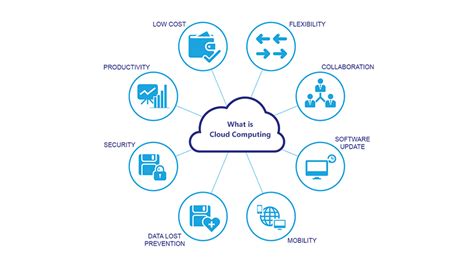
What is ERP Cloud Computing?
ERP Cloud Computing refers to the practice of utilizing cloud-based software and infrastructure to manage various business processes, including accounting, human resources, procurement, inventory, and customer relationship management, among others. It allows businesses to access their enterprise resource planning (ERP) systems through the internet, offering scalability, flexibility, and cost-effectiveness.
Benefits of ERP Cloud Computing
1. Enhanced Scalability
One of the key advantages of ERP cloud computing is its scalability. Businesses can seamlessly scale their operations up or down, based on their specific needs. Cloud-based ERP systems eliminate the need for costly hardware upgrades and provide a flexible platform that grows with the business.
2. Cost Savings
Implementing ERP cloud computing significantly reduces hardware and software costs. Organizations can avoid substantial upfront investments and instead opt for a monthly subscription model. This allows businesses of all sizes to access powerful ERP features without the heavy financial burden.
3. Accessibility and Collaboration
Cloud-based ERP systems provide real-time access to critical business data anytime, anywhere. Employees can collaborate seamlessly, regardless of their location, enabling efficient decision-making and improving overall productivity.
4. Data Security and Disaster Recovery
ERP cloud computing offers robust data security measures and reliable disaster recovery options. Cloud providers invest heavily in securing customer data and ensuring business continuity in the event of any unforeseen circumstances, such as natural disasters or cyber-attacks.
Implementing ERP Cloud Computing
Now that we understand the benefits of ERP cloud computing, let’s explore the steps involved in its successful implementation:
- Assessing Business Needs: Before migrating to an ERP cloud solution, companies must assess their specific requirements and align them with the capabilities of different ERP vendors.
- Selecting the Right Vendor: Choosing a reliable and experienced ERP cloud vendor is crucial. Organizations must consider factors such as industry-specific expertise, security measures, scalability, and ongoing support.
- Data Migration and Integration: The process of migrating existing data to the cloud ERP system requires careful planning and execution. Ensuring seamless integration with other systems is also essential for uninterrupted business operations.
- User Training: Training employees on the new ERP system is vital for successful adoption. Companies should invest in comprehensive training programs to maximize user engagement and optimize system utilization.
- Ongoing Support and Maintenance: Continuous support and maintenance are necessary to address any technical issues and keep the ERP system running smoothly. Regular updates and enhancements should be included in the service agreement with the vendor.
FAQs about ERP Cloud Computing
1. Is ERP Cloud Computing Suitable for Small Businesses?
Yes, ERP cloud computing is highly suitable for small businesses. Since it eliminates the need for extensive infrastructure, small businesses can access world-class ERP features at a fraction of the cost. Furthermore, cloud-based solutions are scalable, allowing small businesses to grow without limitations.
2. What Are the Security Measures in ERP Cloud Computing?
ERP cloud computing providers prioritize data security and employ robust measures to protect customer information. These measures may include data encryption, regular security audits, user access controls, and advanced threat detection systems.
3. Can ERP Cloud Computing Improve Efficiency?
Absolutely! ERP cloud computing enhances efficiency by automating manual processes, improving collaboration, and providing real-time insights. By eliminating repetitive tasks and streamlining workflows, businesses can focus on core activities and achieve higher productivity levels.
Conclusion
ERP cloud computing is revolutionizing the way businesses operate in the digital era. With its scalability, cost-effectiveness, accessibility, and advanced security features, cloud-based ERP systems empower organizations to streamline operations, make data-driven decisions, and achieve sustainable growth. Embracing ERP cloud computing is no longer an option but a necessity for businesses looking to thrive in the increasingly competitive market landscape.