What is an ERP system for small business?
Running a small business can be challenging, especially when it comes to managing various aspects of your operations. From finance and sales to inventory and production, there are multiple tasks that need to be efficiently handled to ensure smooth operations and maximize profitability.
An ERP (Enterprise Resource Planning) system for small businesses is a comprehensive software solution designed to streamline and integrate various core business processes. It serves as a centralized platform for managing different departments, functions, and activities, providing real-time visibility and control over critical operations.
Why is an ERP system important for small businesses?
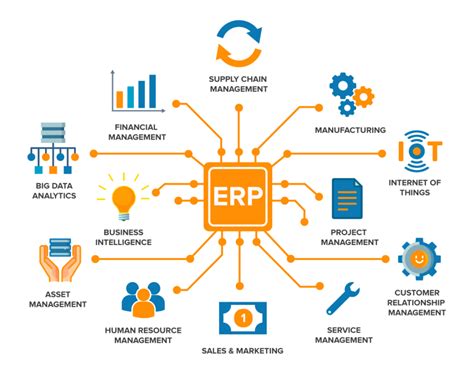
An ERP system offers several benefits that can greatly impact the growth and success of small businesses. Let’s take a closer look at some of the key advantages:
1. Improved Efficiency and Productivity
An ERP system automates various manual and repetitive tasks, allowing employees to focus on more strategic and value-added activities. By eliminating redundant processes and providing accurate data in real-time, businesses can improve efficiency, productivity, and overall performance.
2. Enhanced Decision-Making
With an ERP system, small businesses can access accurate and up-to-date information across different departments and functions. This enables management to make informed decisions based on reliable data, ultimately leading to better outcomes and improved business strategies.
3. Streamlined Operations
Integrating various business processes, such as finance, sales, procurement, inventory, and production, into a single platform facilitates seamless communication and coordination. This leads to optimized workflows, reduced delays, and improved customer satisfaction.
4. Scalability and Growth
Small businesses often face challenges related to scalability as they grow. An ERP system provides a solid foundation for expansion by offering flexible solutions that can adapt to changing business needs. It enables businesses to add new functionalities and accommodate increased transaction volumes without disrupting operations.
5. Cost Savings
Implementing an ERP system streamlines operations and reduces the need for manual intervention, thereby minimizing human errors and associated costs. Additionally, having a centralized system eliminates the need for separate software licenses and reduces IT infrastructure costs.
6. Enhanced Customer Service
Delivering exceptional customer service is vital for small businesses to compete in today’s market. An ERP system enables businesses to access customer information, order history, and other relevant data in real-time, allowing them to provide personalized and prompt services.
How does an ERP system work for small businesses?
An ERP system for small businesses typically consists of various modules, each catering to specific functionalities. These modules can include:
- Finance and Accounting: Manage financial transactions, track expenses, generate financial reports, and streamline budgeting and forecasting processes.
- Supply Chain Management: Optimize procurement, inventory management, and vendor relationships to ensure efficient supply chain operations.
- Sales and Marketing: Track leads, manage customer information, streamline sales processes, and gain insights for targeted marketing campaigns.
- Manufacturing and Production: Plan and manage production schedules, optimize resources, and ensure timely delivery of products.
- Human Resources: Streamline HR processes such as payroll, employee onboarding, performance management, and training.
These modules are interconnected and share data, enabling seamless flow of information across the organization. This integration ensures data accuracy and consistency, eliminating manual data entry and reducing the risk of errors.
FAQs about ERP System for Small Businesses
1. How can an ERP system help small businesses save time and improve efficiency?
An ERP system automates several time-consuming tasks, such as data entry, report generation, and inventory tracking. This frees up employees’ time, allowing them to focus on more important activities, resulting in increased efficiency and productivity.
2. Can an ERP system benefit small businesses with remote teams?
Absolutely! An ERP system provides real-time access to relevant business data, regardless of the location. This enables remote teams to collaborate efficiently, ensuring seamless communication and coordination.
3. Is an ERP system suitable for small businesses with limited budgets?
Yes, there are ERP solutions available that cater specifically to the needs and budgets of small businesses. Cloud-based ERP systems offer cost-effective options, as they eliminate the need for expensive infrastructure and software licenses.
Conclusion
Implementing an ERP system can be a game-changer for small businesses, enabling them to efficiently manage their operations, make data-driven decisions, and achieve sustainable growth. By streamlining processes, improving efficiency, and enhancing customer service, an ERP system becomes an invaluable tool for small businesses to stay competitive in today’s dynamic business environment.