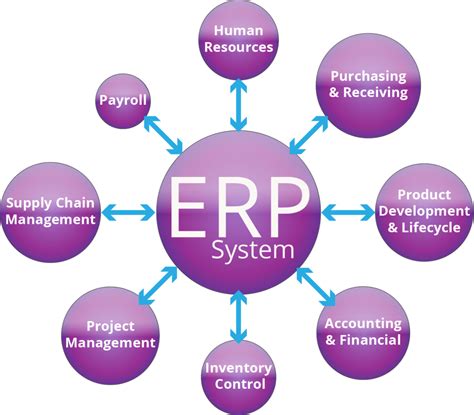
In today’s fast-paced business world, managing human resources efficiently is crucial for the success of any organization. The traditional methods of HR management that relied heavily on manual processes are no longer sufficient to meet the growing demands of the industry. This is where HR ERP software comes into play, providing organizations with a comprehensive solution to streamline their HR processes and enhance productivity.
What is HR ERP Software?
HR ERP software refers to an integrated system that combines the functionality of human resources management (HRM) and enterprise resource planning (ERP) software. It offers a wide range of tools and features specifically designed to assist HR professionals in managing various HR processes effectively.
From recruitment and onboarding to performance management and employee development, HR ERP software covers all aspects of HR management in a centralized and automated manner. With the help of this software, organizations can streamline their HR operations, reduce manual errors, and improve overall efficiency.
The Role of HR ERP Software in Human Resources Management
HR ERP software plays a crucial role in modern HR management by providing organizations with a centralized platform for handling all HR-related tasks and processes. Let’s explore some of the key functions and benefits of HR ERP software:
1. Recruitment and Onboarding
Efficient recruitment and onboarding processes are essential for attracting top talent and ensuring a smooth transition for new hires. HR ERP software offers features such as applicant tracking, resume parsing, and automated onboarding workflows to simplify these processes.
2. Employee Data Management
Keeping track of employee data can be challenging, especially for organizations with a large workforce. HR ERP software provides a centralized database to store and manage employee information, including personal details, job history, performance reviews, and more.
3. Time and Attendance Management
Managing employee attendance, leaves, and time tracking can be time-consuming without the right tools. HR ERP software offers automated time and attendance management features to ensure accurate records and simplify payroll processing.
4. Performance Management
Tracking and evaluating employee performance is vital for employee development and organizational growth. HR ERP software enables organizations to set performance goals, conduct regular evaluations, and provide feedback to improve employee productivity.
5. Training and Development
Investing in employee training and development leads to a skilled and motivated workforce. HR ERP software provides tools for creating and managing training programs, tracking employee progress, and assessing the effectiveness of training initiatives.
6. Payroll and Benefits Administration
Generating accurate and timely payrolls, managing benefits, and handling tax deductions can be complex tasks. HR ERP software automates these processes, ensuring compliance with labor laws, reducing errors, and saving time for HR professionals.
7. Employee Self-Service
Empowering employees to access and manage their own HR-related information is a key feature of HR ERP software. With self-service portals, employees can view their pay stubs, update personal details, request time off, and access important HR documents.
8. Analytics and Reporting
HR ERP software offers powerful analytics and reporting capabilities, allowing organizations to gain valuable insights into their HR data. These insights help HR professionals make informed decisions, identify trends, and optimize HR processes.
The Advantages of Implementing HR ERP Software
Implementing HR ERP software can provide numerous benefits to organizations of all sizes. Let’s explore some key advantages:
1. Improved Efficiency and Productivity
By automating manual HR processes, HR ERP software reduces the time and effort required to complete tasks. This leads to improved efficiency and allows HR professionals to focus on strategic initiatives and employee development.
2. Enhanced Data Accuracy and Security
Manual data entry and management can result in errors and security vulnerabilities. HR ERP software ensures data accuracy through standardized processes and provides secure storage with role-based access controls, minimizing the risk of data breaches.
3. Streamlined Workflows
HR ERP software streamlines workflows by automating repetitive tasks, eliminating paperwork, and reducing dependencies on multiple systems. This improves collaboration, communication, and overall organizational effectiveness.
4. Regulatory Compliance
With constantly evolving labor laws and compliance requirements, it can be challenging for organizations to stay up to date. HR ERP software helps organizations maintain compliance by automating processes related to legal and regulatory obligations.
5. Data-driven Decision Making
The analytics and reporting capabilities of HR ERP software provide HR professionals with valuable insights into employee data. This data-driven approach enables organizations to make informed decisions and identify areas for improvement.
6. Improved Employee Experience
Employees can leverage self-service portals and mobile applications provided by HR ERP software to access information, make requests, and track their HR-related activities. This improves employee satisfaction and reduces the time spent on administrative tasks.
7. Scalability and Flexibility
HR ERP software is designed to scale alongside organizational growth. It can accommodate the changing needs and requirements of organizations, making it an ideal solution for businesses of all sizes.
Frequently Asked Questions (FAQs)
Q: What is the role of HR ERP software in recruitment?
A: HR ERP software simplifies the recruitment process by offering features like applicant tracking, resume parsing, and automated workflows for efficient candidate management.
Q: Can HR ERP software help with employee training and development?
A: Absolutely! HR ERP software provides tools for creating, managing, and tracking employee training programs to enhance their skills and boost their performance.
Q: Is HR ERP software suitable for small businesses?
A: Yes, HR ERP software is customizable and scalable, making it suitable for businesses of all sizes, including small and medium-sized enterprises.
Conclusion
Human resources management is a critical component of any organization, and HR ERP software offers a comprehensive solution to streamline HR processes and improve productivity. By automating manual tasks, providing centralized data management, and offering valuable analytics, HR ERP software empowers HR professionals to focus on strategic initiatives and employee development. From recruitment to performance management and payroll administration, HR ERP software simplifies complex processes, ensuring compliance and enhancing the overall employee experience. Embrace the power of HR ERP software to unlock the full potential of your HR department and drive the success of your organization.