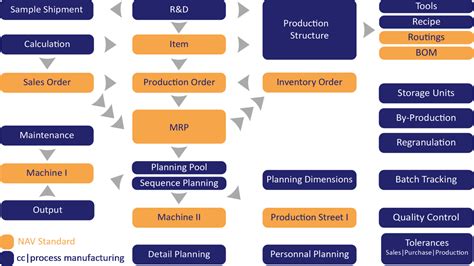
In today’s ever-evolving business environment, organizations need efficient and streamlined processes to stay ahead of the competition. This is especially true for process manufacturing industries, where optimizing operations and managing complex production processes are critical for success. This is where Process Manufacturing ERP comes into play – a powerful software solution designed specifically for the unique challenges faced by process manufacturers.
What is Process Manufacturing ERP?
Process Manufacturing ERP (Enterprise Resource Planning) is a comprehensive software system that integrates various aspects of a process manufacturing business, such as production planning, inventory management, quality control, supply chain management, and financials. It provides a centralized platform that allows businesses to streamline operations, improve efficiency, and make data-driven decisions.
Key Features of Process Manufacturing ERP
Process Manufacturing ERP offers a wide range of features and capabilities tailored to the specific needs of process manufacturing industries. Some of the key features include:
- Recipe and formula management
- Batch tracking and traceability
- Lot control and shelf-life management
- Quality management and compliance
- Planning and scheduling
- Inventory management and replenishment
- Supply chain visibility and optimization
- Financial management and reporting
- Advanced analytics and reporting
These features enable process manufacturers to effectively manage their entire production cycle, from raw material procurement to finished product delivery, while ensuring compliance with industry regulations and maintaining product quality and consistency.
The Benefits of Process Manufacturing ERP
Implementing a Process Manufacturing ERP system offers numerous benefits to businesses in the process manufacturing industry. Let’s take a closer look at some of these benefits:
Improved Operational Efficiency
Process Manufacturing ERP enables organizations to automate and streamline their operations, reducing manual effort and improving efficiency. By integrating various processes and departments, businesses can eliminate duplicate data entry, improve collaboration, and accelerate decision-making.
Enhanced Product Quality and Consistency
With Process Manufacturing ERP, businesses can maintain tight control over their manufacturing processes, ensuring product consistency and quality across batches. This is crucial for industries such as food and beverage, pharmaceuticals, and chemicals, where product quality and compliance are paramount.
Optimized Inventory Management
Effective inventory management is essential for process manufacturers to avoid stockouts, minimize carrying costs, and optimize production planning. Process Manufacturing ERP provides real-time visibility into inventory levels, demand forecasting, and automated replenishment, allowing businesses to strike the right balance between supply and demand.
Compliance with Industry Regulations
Process manufacturing industries are subject to strict regulations and standards, such as FDA compliance for pharmaceutical companies or food safety regulations for the food and beverage industry. Process Manufacturing ERP helps businesses meet these compliance requirements by establishing robust quality control measures, maintaining thorough batch traceability, and generating audit-ready reports.
Improved Financial Management
Financial management is a critical aspect of any business, and process manufacturers are no exception. Process Manufacturing ERP provides comprehensive financial management capabilities, including budgeting, cost control, accounts payable and receivable, and financial reporting. This enables businesses to gain better control over their finances, monitor costs, and make informed financial decisions.
Real-time Data and Analytics
Process Manufacturing ERP systems capture data across various stages of the production cycle and provide real-time visibility into key metrics and performance indicators. This empowers decision-makers with accurate and timely information, enabling them to identify bottlenecks, optimize processes, and make data-driven decisions to drive business growth.
FAQs (Frequently Asked Questions) about Process Manufacturing ERP
1. What types of process manufacturing industries can benefit from ERP?
Process Manufacturing ERP can benefit a wide range of industries, including but not limited to:
- Food and Beverage
- Pharmaceuticals
- Chemicals
- Cosmetics
- Petrochemicals and Energy
- Pulp and Paper
- Metal and Fabrication
These industries, which rely on complex production and batch processes, can greatly benefit from the automation, traceability, and efficiency offered by Process Manufacturing ERP.
2. Is Process Manufacturing ERP suitable for small businesses?
Yes, Process Manufacturing ERP can be tailored to the needs and budget of small and medium-sized businesses (SMBs). There are ERP solutions available that cater specifically to the requirements of SMBs, offering a scalable and cost-effective solution without compromising on functionality.
3. How long does it take to implement a Process Manufacturing ERP system?
The implementation timeline for a Process Manufacturing ERP system can vary depending on several factors, including the complexity of the business processes, the size of the organization, and the level of customization required. On average, the implementation process can take anywhere from a few months to a year. It is essential to work closely with an experienced ERP vendor or implementation partner to ensure a smooth and successful implementation.
Conclusion
Process Manufacturing ERP is a powerful software solution designed specifically for process manufacturing industries. With its comprehensive features and capabilities, it enables businesses to streamline operations, optimize processes, and make data-driven decisions. From improved operational efficiency and enhanced product quality to compliance with industry regulations and real-time analytics, the benefits of Process Manufacturing ERP are manifold. To stay ahead in today’s competitive business landscape, process manufacturers should consider implementing a robust and tailored Process Manufacturing ERP system to unlock their full potential and achieve sustainable growth.